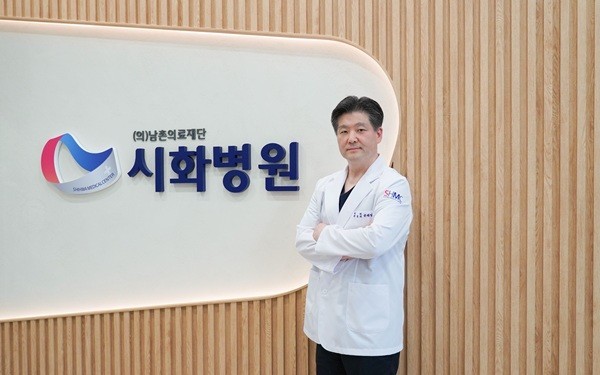
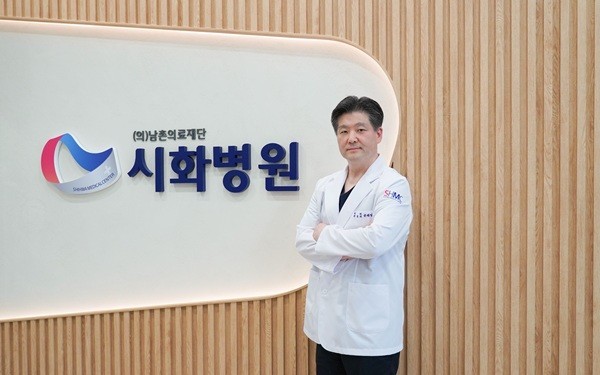
[The Doctor : Báo cáo danh y] Với bệnh nhân ung thư đang lo lắng, giải thích cũng là “điều trị”: bác sĩ Son Tae-il, khoa Ngoại, Bệnh viện Shihwa, người giải quyết vấn đề nơi tuyến đầu
“Bác sĩ nổi tiếng chữa bệnh giỏi”, đó chính là nghĩa trong từ điển của danh y. Tiêu chuẩn của danh y có thể thay đổi theo thời đại và hoàn cảnh, và ngày nay có nhiều bác sĩ làm cho thế giới khỏe mạnh hơn không chỉ bằng kinh nghiệm lâm sàng và năng lực mà còn qua nhiều hoạt động như tình nguyện, nghiên cứu, khởi nghiệp. Nếu bệnh viện đại học tập trung vào bệnh nặng và điều trị có độ khó cao, thì bệnh viện tuyến 1, tuyến 2 là cửa ngõ đầu tiên bảo vệ sức khỏe trong đời sống thường ngày.Vì vậy, thông qua chuyên mục “The Doctor : Báo cáo danh y”, Health Kyunghyang giới thiệu những danh y tại bệnh viện đại học cũng như bệnh viện tuyến 1, tuyến 2, những người lặng lẽ gắn bó với lĩnh vực chuyên môn của mình hoặc thực hiện triết lý điều trị kiên định qua nhiều hoạt động bên ngoài phòng khám, dựa trên các tiêu chí ▲chuyên môn trong lĩnh vực điều trị ▲nguyên tắc điều trị dựa trên bằng chứng ▲giao tiếp với bệnh nhân và đóng góp cho cộng đồng địa phương. Nhân vật chính của kỳ này là bác sĩ Son Tae-il, khoa Ngoại, Bệnh viện Shihwa. 〈Lời tòa soạn〉Chặng đường của bác sĩ Son Tae-ilBác sĩ Son Tae-il tốt nghiệp Trường Y Đại học Yonsei và nhận bằng thạc sĩ tại trường sau đại học của trường này. Sau khi hoàn thành chương trình bác sĩ nội trú tại Khoa Ngoại, Trường Y Đại học Yonsei, ông tích lũy chuyên môn với vai trò bác sĩ chuyên sâu (clinical fellow) phẫu thuật đường tiêu hóa trên. Sau đó, ông lần lượt đảm nhiệm vị trí trợ lý giáo sư (assistant professor) Khoa Ngoại, Trường Y Đại học Eulji và trợ lý giáo sư (assistant professor) phẫu thuật tiêu hóa, Khoa Ngoại, Trường Y Đại học Yonsei, và hiện đang thăm khám cho bệnh nhân tại Bệnh viện Shihwa.Lĩnh vực chuyên môn của ông gồm các bệnh đường tiêu hóa như ung thư dạ dày, u mô đệm đường tiêu hóa (GIST), trào ngược dạ dày thực quản, thoát vị khe thực quản, cùng phẫu thuật giảm béo và chuyển hóa, các bệnh lành tính vùng bụng như bệnh túi mật và thoát vị. Ông cũng là hội viên chính thức của Hiệp hội Ung thư dạ dày Hàn Quốc (Korean Gastric Cancer Association), Nhóm nghiên cứu phẫu thuật nội soi tiêu hóa Hàn Quốc (Korean Laparoendoscopic Gastrointestinal Surgery Study Group, KLASS), Hiệp hội Phẫu thuật viên Robot Hàn Quốc (The Korean Association of Robotic Surgeons, KAROS) và Hội Ngoại khoa ung bướu Hàn Quốc (Korean Society of Surgical Oncology).“Tôi từng nghĩ bác sĩ ngoại khoa là người dùng chính đôi tay để biến kiến thức đã học thành hiện thực, giải quyết vấn đề cho bệnh nhân. Với tôi, hình ảnh đó giống hệt một ‘người giải quyết vấn đề’.”Bác sĩ Son Tae-il ấp ủ ước mơ trở thành bác sĩ ngoại khoa từ khi còn là sinh viên y. Ngay từ đầu, ông đã mơ hồ mong muốn làm việc trong lĩnh vực y tế thiết yếu và bị cuốn hút bởi hình ảnh các thầy và đàn anh trực tiếp giải quyết vấn đề cho bệnh nhân bằng phẫu thuật. Việc thường được khen là khéo tay cũng giúp ông chọn ngoại khoa. Đặc biệt, vì khi đó phẫu thuật chiếm tỷ trọng lớn trong điều trị ung thư dạ dày, ông chọn phẫu thuật tiêu hóa làm chuyên ngành với suy nghĩ đây là nơi có thể phát huy tốt nhất vai trò “người giải quyết vấn đề”.Sau nhiều năm phẫu thuật cho bệnh nhân ung thư dạ dày tại bệnh viện đại học, giờ đây ông đang bước trên con đường mới tại Bệnh viện Shihwa, một bệnh viện khu vực.Bác sĩ Son Tae-il cho biết: “Bác sĩ ngoại khoa không bao giờ phẫu thuật một mình. Bệnh viện Shihwa có đội ngũ y tế giỏi và hệ thống để cùng phẫu thuật, nên tôi nhận định có thể phát huy đầy đủ kinh nghiệm lâm sàng tích lũy tại bệnh viện đại học.” Ông cho biết thêm, ở bệnh viện đại học phải kết hợp cả nghiên cứu và giảng dạy bên cạnh khám chữa bệnh, còn tại bệnh viện khu vực có thể tập trung hơn và dồn tâm huyết cho việc điều trị bệnh nhân, đây cũng là một lý do cho lựa chọn của ông.Bác sĩ Son Tae-il gia nhập Bệnh viện Shihwa vào tháng 9 năm nay. Dù cho biết mới hơn một tháng và vẫn đang thích nghi, hình ảnh ông chỉ huy nơi tuyến đầu đã thể hiện rõ phong thái của một bác sĩ ngoại khoa đúng nghĩa “người giải quyết vấn đề”.■Quan trọng hơn phương pháp phẫu thuật là “điều gì an toàn nhất cho bệnh nhân”Ung thư dạ dày là loại ung thư có phác đồ điều trị và phạm vi phẫu thuật phù hợp được chuẩn hóa tương đối tốt. Vì vậy, bác sĩ Son Tae-il coi trọng việc tuân thủ trung thành các nguyên tắc đã định và phẫu thuật an toàn, không biến chứng hơn là bản thân các phương pháp phẫu thuật mới.Môi trường phẫu thuật đã thay đổi rất nhiều. Bác sĩ Son thuộc thế hệ được đào tạo cả phẫu thuật mổ mở lẫn phẫu thuật nội soi. Gần đây, phẫu thuật xâm lấn tối thiểu như nội soi và robot đã trở thành trụ cột quan trọng của phẫu thuật ung thư dạ dày, nhưng nguyên tắc bất di bất dịch của ông là phương pháp mới nhất không phải lúc nào cũng tốt nhất cho mọi bệnh nhân.Bác sĩ Son Tae-il cho biết: “Không nên vì phẫu thuật nội soi là xu hướng mà nhất định phải cố chấp với phương pháp này. Có những bệnh nhân khó chịu đựng thời gian gây mê kéo dài hoặc phù hợp với mổ mở hơn do tiền sử phẫu thuật.”Rốt cuộc, cần xem xét toàn diện tuổi tác, tình trạng sức khỏe tổng thể, bệnh đi kèm, tiền sử phẫu thuật để chọn phương pháp an toàn nhất cho từng bệnh nhân. Ông bước vào mỗi ca mổ với mục tiêu cuối cùng là giảm thiểu biến chứng sau phẫu thuật để bệnh nhân có thể trở lại cuộc sống chất lượng.■Cắt bỏ khối u là xong? Tính trước cả “việc ăn uống sau phẫu thuật”Điều ông đặc biệt quan tâm tỉ mỉ là “tái tạo”. Phẫu thuật ung thư dạ dày không chỉ cắt bỏ tổn thương nhìn thấy được. Do tính đến khả năng tế bào ung thư đã lan ra xung quanh, 60–70% dạ dày sẽ được cắt bỏ. Vì vậy, cách nối lại đường tiêu hóa sau phẫu thuật ảnh hưởng đến việc ăn uống và sinh hoạt hằng ngày của bệnh nhân.Do đó, bác sĩ Son Tae-il trăn trở về phương pháp tái tạo nối phần dạ dày và ruột còn lại một cách phù hợp không kém việc cắt bỏ khối u an toàn. Ông cho rằng mục tiêu không chỉ dừng ở việc bệnh nhân vượt qua ca mổ, mà còn là giúp họ ăn uống ít khó chịu nhất có thể và trở lại cuộc sống bình thường.Ông cho biết: “Khi bệnh nhân than phiền khó chịu khi ăn sau phẫu thuật, tôi luôn tự hỏi ‘nếu tái tạo bằng cách khác thì có tốt hơn một chút không’. Thay vì quảng bá một phương pháp phẫu thuật đặc biệt, tôi tập trung chăm chút cả khâu tái tạo để bệnh nhân có thể trở lại cuộc sống bình thường.”Trong phòng mổ, ông lấy “sự bình tĩnh” làm nguyên tắc quan trọng nhất, bởi khi xảy ra tình huống bất ngờ, vội vàng xử lý có thể khiến tình hình xấu đi. Vì vậy, ngay từ trước phẫu thuật, ông cùng đội ngũ hỗ trợ xem xét hình ảnh chẩn đoán, nắm rõ cấu trúc mạch máu của bệnh nhân và chuẩn bị cho các biến số có thể xảy ra.Ăn uống là điều bệnh nhân cảm nhận rõ nhất sự thay đổi sau phẫu thuật ung thư dạ dày. Bác sĩ Son Tae-il đặc biệt chú trọng quá trình tái tạo nối dạ dày và ruột để bệnh nhân có thể ăn uống thoải mái nhất sau phẫu thuật.■“Dù lâu cũng giải thích đầy đủ”, liều thuốc cho bệnh nhân và người nhàBên ngoài phòng mổ, điều bác sĩ Son Tae-il coi trọng là “giải thích”. Thực tế, ông dành nhiều thời gian giải thích trong phòng khám đến mức bệnh nhân và người nhà nói rằng ông “nói quá dài”. Bởi bệnh nhân ung thư vốn đã rất lo lắng chỉ vì chẩn đoán, nên họ cần hiểu đầy đủ mình đang ở tình trạng nào và vì sao cần phương pháp điều trị này.Khi giải thích những điều quan trọng, ông đề nghị người nhà cùng nghe nếu có thể. Ông giải thích chi tiết quá trình điều trị và kết quả dự kiến bằng các số liệu khách quan, đồng thời trấn an bệnh nhân dựa trên kết quả điều trị ung thư dạ dày tại Hàn Quốc.Bác sĩ Son Tae-il cho biết: “Ngay cả khi mua một gói bảo hiểm hay mở một sổ tiết kiệm, người ta cũng nghe chuyên gia giải thích kỹ, vậy chẳng phải bệnh nhân sắp phẫu thuật càng cần được giải thích chi tiết hơn sao? Trước mắt, nghe nhiều thông tin có thể khiến bất an, nhưng tôi tin rằng cuối cùng sự giải thích đầy đủ sẽ trở thành liều thuốc cho bệnh nhân.”Triết lý điều trị này càng được củng cố qua những bệnh nhân ông còn nhớ. Ông cho biết những bệnh nhân cùng ông vượt qua thời gian khó khăn lại đọng lại lâu trong ký ức hơn những người có quá trình điều trị suôn sẻ.“Tôi đặc biệt nhớ một bệnh nhân phải hóa trị sau phẫu thuật trong thời kỳ dịch COVID-19. Bệnh nhân lo sợ lây nhiễm đến mức ngại cả ra ngoài, nhưng đã vượt qua tốt cả phẫu thuật lẫn hóa trị và cuối cùng được xác nhận khỏi bệnh sau 5 năm.”Bác sĩ Son Tae-il cho biết: “Nhìn những bệnh nhân từng vất vả trong quá trình điều trị dần khỏe mạnh theo thời gian, tôi càng thấy tự hào. Khi họ thấu hiểu tấm lòng của đội ngũ y tế đã nỗ lực hết mình trong suốt quá trình đó và nói lời cảm ơn, tôi cảm thấy vô cùng ý nghĩa.”Bác sĩ Son Tae-il giải thích chi tiết đến mức bệnh nhân và người nhà nói ông nói nhiều. Bởi ông tin rằng dù trước mắt có thể bất an và sợ hãi, sự giải thích đầy đủ sẽ là động lực và liều thuốc giúp bệnh nhân vượt qua hành trình điều trị phía trước.■Kinh nghiệm bệnh viện đại học, nay dành cho địa phương: “Bác sĩ luôn ở gần khi cần”Nhiều bệnh nhân khi được chẩn đoán ung thư vẫn nghĩ ngay đến các bệnh viện lớn ở Seoul. Tuy nhiên, bác sĩ Son Tae-il nhấn mạnh rằng nếu bệnh viện khu vực có đủ nhân lực chuyên môn và hệ thống hội chẩn liên khoa, việc được điều trị nhanh chóng ở gần nhà là lợi thế lớn cho bệnh nhân.Điều trị ung thư dạ dày cũng không thể do một mình bác sĩ ngoại khoa hoàn thành, mà cần sự phối hợp chặt chẽ giữa nhiều chuyên khoa như tiêu hóa, ung bướu nội khoa, chẩn đoán hình ảnh. Bác sĩ Son Tae-il khẳng định: “Vì Bệnh viện Shihwa có hệ thống phối hợp liên khoa như vậy, tôi nhận định có thể phát huy đầy đủ kinh nghiệm tích lũy ở bệnh viện đại học ngay tại địa phương”, đồng thời cho biết ông không hề hối tiếc về lựa chọn của mình.Ông cũng đặt mục tiêu mở rộng hơn nữa các lựa chọn điều trị. Ông cho rằng nếu trong tương lai có thể thực hiện cả phẫu thuật robot dựa trên hệ thống hiện tại, sẽ có thể đưa ra nhiều phương pháp điều trị đa dạng hơn tùy theo tình trạng của bệnh nhân.Theo bác sĩ Son Tae-il, đâu là điều kiện của một bác sĩ ngoại khoa giỏi? Trước hết, ông nêu “tay nghề phẫu thuật” và “có mặt khi cần”.“Là bác sĩ ngoại khoa thì đương nhiên phải phẫu thuật giỏi. Nhưng việc có thể ở gần và ứng phó ngay khi bệnh nhân cần cũng rất quan trọng. Không nhất thiết phải nhớ đến tôi. Chỉ cần được nhớ đến như một bác sĩ giải thích đầy đủ, điều trị tận tâm, một ‘người giải quyết vấn đề’ luôn có mặt khi cần, tôi nghĩ mình đã mãn nguyện.”Mục tiêu cuối cùng của ông cũng không hề to tát, đó là làm tròn vai trò của một bác sĩ ngoại khoa bên cạnh bệnh nhân.“Rốt cuộc, tôi nghĩ bổn phận của mình là cống hiến hết sức tại nơi mình đã chọn. Chừng nào sức khỏe còn cho phép, tôi muốn là một bác sĩ ngoại khoa phẫu thuật lâu dài tại tuyến đầu.”