


ICM Pioneers Gene Therapy Innovations with Focus on AAV and Degenerative Diseases
Exploring Cutting-Edge Therapies and Proprietary Advances in Gene Therapy at ICM
- gene therapy
- ICM
- AAV
- Nkx3.2
- degenerative diseases
 한정선 기자
Paradigm shift in disease treatment by one-time gene therapy
Developing ‘ICM-203’ as a candidate for disease modifying OA drug (DMOAD)
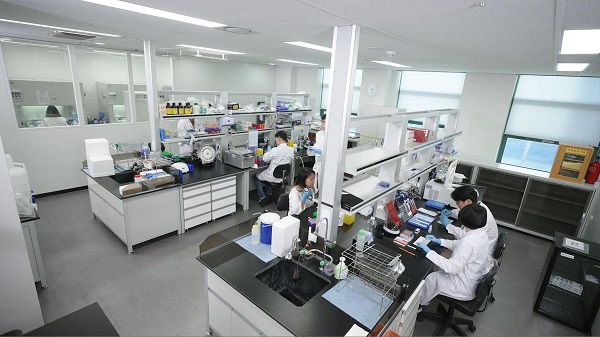
As expectations for alternative treatment other than existing drug treatment or surgery have recently boosted, interest in gene therapy, known as the latest treatment method, has been concentrated as well. Gene therapy has had various difficulties due to ethical and technical issues so far. However, as Covid-19 has revealed the limitations of chemical drugs, interest in novel disease treatment methods is growing. Accordingly, I visited ICM, a leading company in AAV gene therapy. ICM provides a new perspective and innovative solutions for disease treatment and listened to the related technologies and information in detail.
“This is the place where we are researching for true-to-life gene therapy.”
The staffs welcome me as soon as I entered the lab. I could vividly feel the enthusiasm of 'ICM (Innovative Cure in Medicine)', a gene therapy biotech company located inside Yonsei University.
Gene therapy has a long history since the basic concept was introduced in the 1960s and 1970s. Gene therapy delivers normal or functional genes to patients with diseases due to innately absent or dysfunctional genes.
However, the death of a patient during a clinical trial in 1999, raised concerns about the safety of gene therapy and it rendered the gene therapy industry to enter a stagnant phase. Since then, a virus called 'AAV: Adeno-Associated Virus' started to draw attention as a delivery vehicle to improve safety of gene therapies. Starting with the first approval of ‘Glybera’, an adeno-associated virus gene therapy drug in Europe in 2012, gene therapies based on AAV have been approved including ‘Luxturna’ in 2017 and ‘Zolgensma’ in 2019.
Currently, 16 of the top 20 global pharmaceutical companies have entered the AAV field, and ICM is also spurring the expansion of global-level AAV gene therapy products that represent Korea.
■“Why, gene therapy?”
The physiologically active factors that maintain the functional homeostasis of tissues or cells normally function for healthy people, but when the function of these factors is lost, various degenerative diseases occur. Gene therapy recovers the lost physiological activity and functional homeostasis by restoring the lost physiologically active factors.
Gene therapy is a highly anticipated medical technology in terms of treatment convenience and fundamental treatment through single administration rather than repeated drug administration. Due to these advantages, the therapeutic areas of gene therapy are extending not only to genetic diseases such as hematology, musculoskeletal, neurology, and ophthalmology, but also to degenerative diseases such as macular degeneration, dementia, and osteoarthritis.
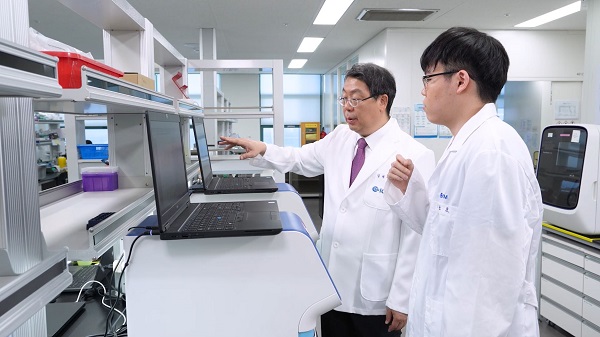
■ Discovered the gene functioning as ‘Health Keeper’ and secured global intellectual property rights
Currently, about 80% of ICM employees are made up of researchers, and they are putting their company-wide capabilities into the research and development of gene therapy products. CEO DaeWon Kim, who is also in charge of ICM’s Research Center, has already published related papers in Nature Cell Biology, the world's most prestigious magazine in the field of cell biology, in 2007, before the establishment of the company.
He identified that the 'NF-κB' protein, a cell signaling substance, needs to be activated for the growing chondrocytes to survive and for this, the continuous action of the 'Nkx3.2' protein is essential. Since then, ICM has succeeded in discovering a ‘Health Keeper’ gene that is closely correlated to physiological activity in the process of knee joint degeneration. .
After confirming the potential as a treatment target for the 'Nkx3.2' gene and protein, which functions as a health keeper in the joints and retina, ICM is concentrating on developing a treatment for degenerative and incurable diseases by delivering the Nkx3.2 gene using AAV viral vectors.
In fact, in gene therapy, most of the causative genes have already been identified, so it is not straightforward to secure intellectual property rights for the use of therapeutic genes. However, ICM has strong intellectual property rights for the gene therapy products currently under development by obtaining the global intellectual property rights for substance and pharmaceutical use (arthritis, retinal degeneration) patents for therapeutic gene Nkx3.2.
CEO DaeWon Kim sounded, "It takes more time and money to develop gene therapies compared to other types of drugs, but it has higher chance of success once it enters the clinical development stage." “Therefore, it is not reasonable to mechanically compare and evaluate the gene therapy with other drugs in the maturity evaluation of a new drug development project,” he explained.
In other words, for gene therapies that are under development strictly attaining global standards, even if the project is in the early stages, it is binding to establish an awareness that appreciates objective excellence and success potential.
■Nkx3.2, higher potential as a disease modifying OA drug (DMOAD)
An ICM official mentioned 'ICM-203' as the most advanced product among its gene therapy products with Nkx3.2. He presented that ICM-203 demonstrated the ability to regenerate damaged cartilage and inhibit inflammation in the preclinical (animal test) stage, delivering the possibility of success as an disease modifying OA drug (DMOAD).
DMOAD (Disease Modifying Osteoarthritis Drug) refers to a drug that fundamentally treats arthritis by improving the symptoms of osteoarthritis as well as joint function. Currently, there are no drugs officially approved by regulatory authorities such as DMOAD. Therefore, ICM is presently conducting a 1/2a clinical trial in Australia and is planning to file an IND application to US FDA this year.
■Pipeline expansion to gene therapies for retinal degeneration and hearing losses.
Currently, there is no adequate therapeutic solution for many retinal diseases accompanying retinal degeneration, other than slowing the progression by inhibiting the formation of new blood vessels. In addition, the development of a therapeutic agent with a new mechanism of action for patients who do not respond to anti-VEGF (anti-vascular endothelial growth factor) is also urgently required.
ICM's 'ICM-RD' demonstrated the activities such as ▲viability improvement of Retinal Pigment Epithelial Cells (RPE) ▲relief of retinal inflammation ▲inhibition of new blood vessel formation. Diverse animal experiments with Candidate substances that are expected to have therapeutic effects on degenerative retinal diseases through a new mechanism of action are currently underway to verify preclinical efficacy.
In addition, 'conductive hearing loss’ is a disease in which a person cannot hear sound due to a problem in the outer or middle ear. It can be treated by reconstruction of the structure through surgery. However, there is no cure for 'sensory hearing loss' other than wearing a hearing aid or cochlear implant.
CEO DaeWon Kim stated, "Until now, it has not been manageable for conventional synthetic compounds to reach the inner ear, but we anticipate that the therapeutic gene can be delivered directly to the target cells for the optimal outcome in the future"
Currently, no of clinical trials involving AAV gene therapy is growing worldwide, and most of the clinical studies (over 80%) are in phase 1 or phase 1/2. Not only domestic biotech companies but also large companies are now leaping into the development of AAV gene therapy products through strategic investment and technology transfer.
DaeWon Kim, CEO of ICM, emphasized, “In the future, ICM will continue to expand its R&D capabilities targeting various degenerative diseases and contribute to the development of innovative novel drugs to overcome degenerative diseases.”


